🌍 Henan Elorry Industrial Co., LTD. Since 2016 ⭐ 10+ Year Industry Experience ✓ Verified Elite Supplier
 ✓ Verified Elite Supplier ✓ Verified Elite Supplier
{{ variable.name }}
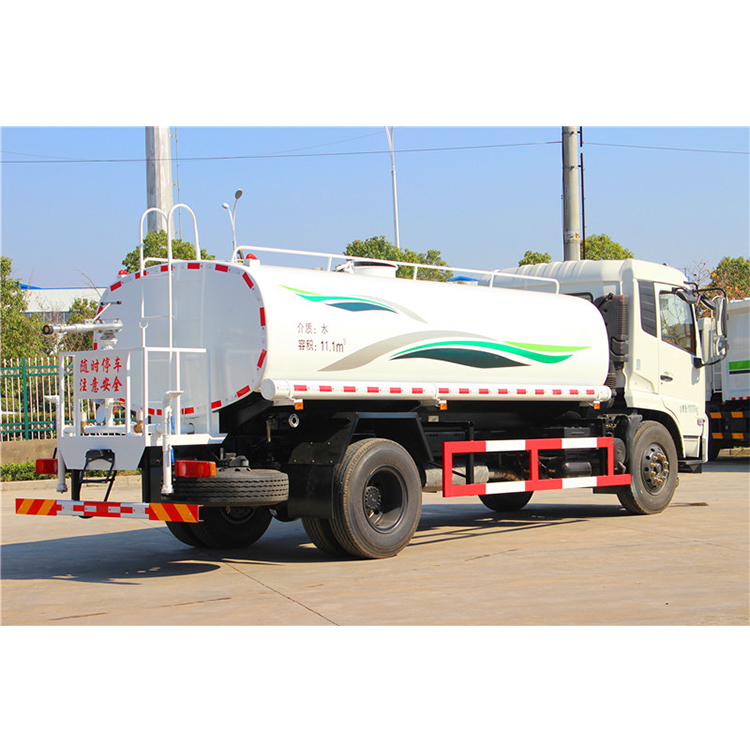
| Type | Tanker Truck, Tank Truck, Liquid Tanker, Powder Tanker, Chemical Tanker Truck, Asphalt Tanker Truck, Vacuum Tanker Truck, Sewage Suction Truck, Fuel Tanker Truck, Water Tanker Truck, 4x2/6x4/8x4 Tanker, Tanker Semi Trailer | Model | Tanker Truck |
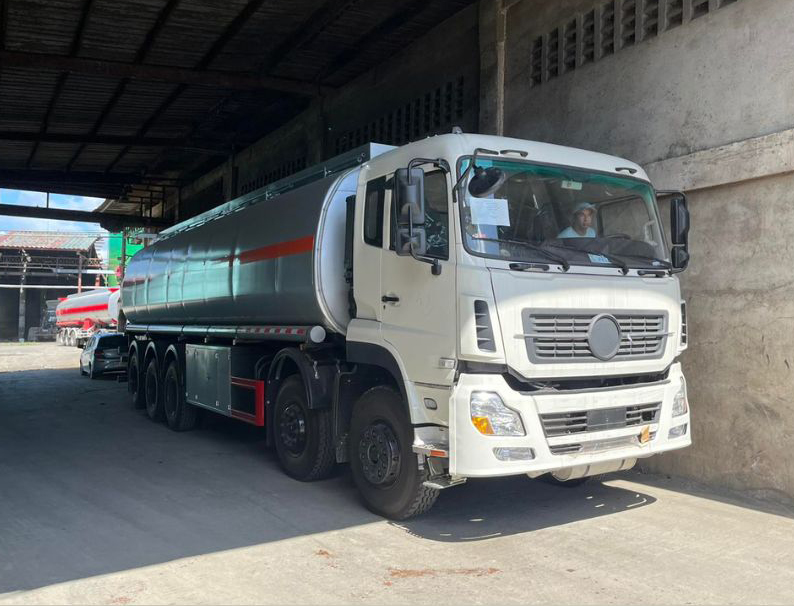
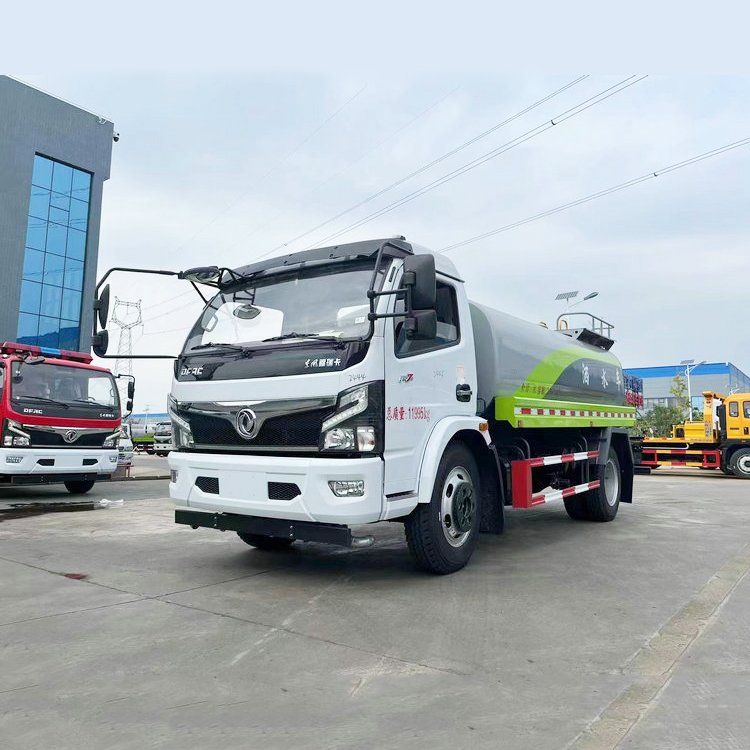
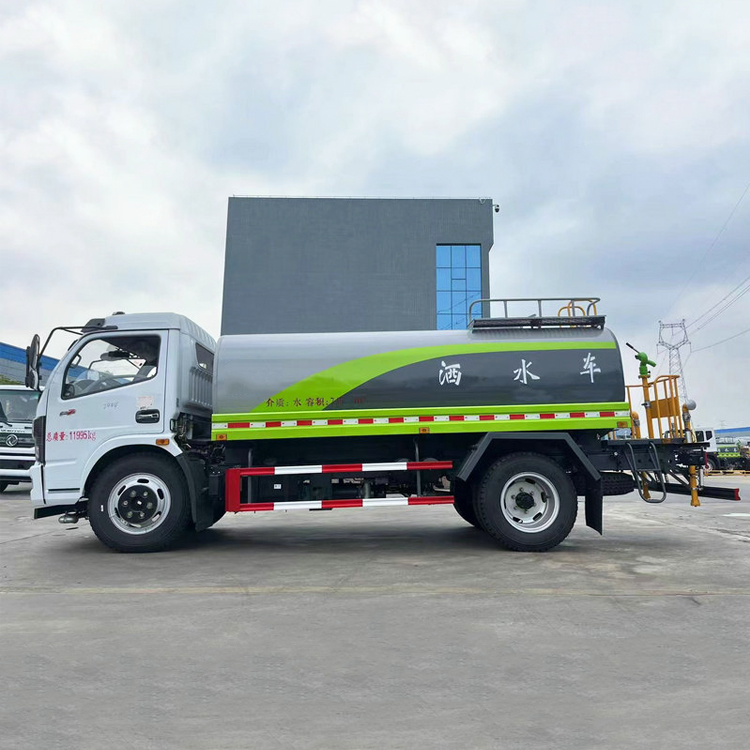
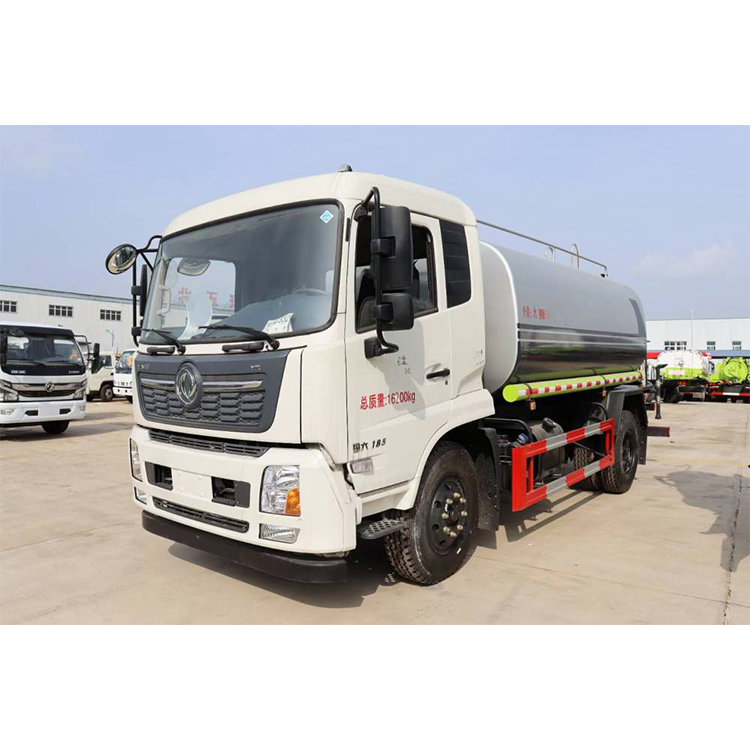
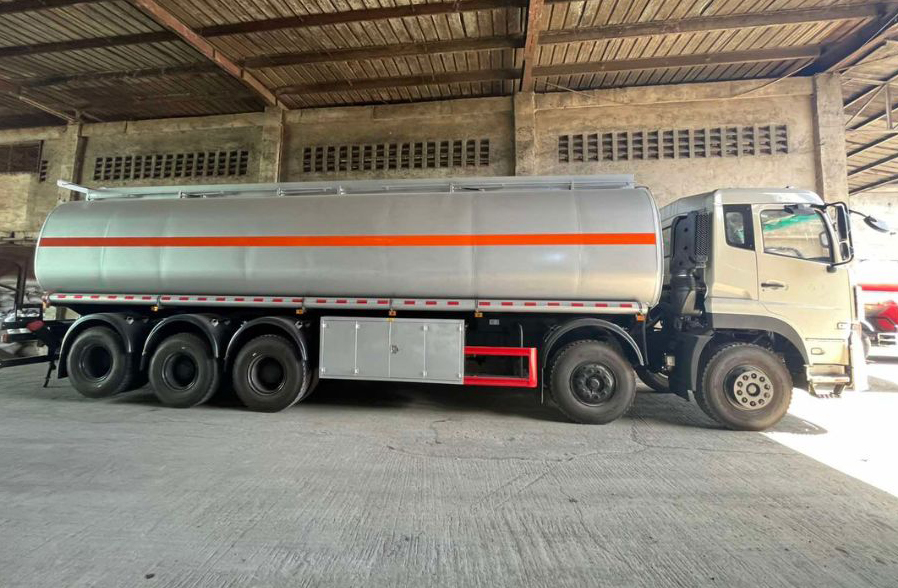
| Params | CARGO FAMILIES - Non-pressurised liquid: fuel and light oil, water, chemical and solvent, food-grade oil and syrup, hot asphalt and bitumen - Dry bulk powder and pellet: cement, fly ash, lime powder, mineral powder, talc, carbon black, plastic pellets, grain - Vacuum liquid: sewage, sludge, septic, waste oil and bilge water - Special body on a tank chassis: fire fighting, high-pressure road washing, dust suppression - Pressurised gas (LPG, ammonia) and cryogenic (LNG, oxygen, nitrogen) use a pressure-rated or vacuum-insulated shell; they belong to a separate pressure-vessel family and are quoted as a project, not from the standard liquid range CONFIGURATION - Vehicle type: tank body on a rigid chassis or on a 3-axle semi-trailer; the body family is fixed by the cargo and the discharge point - Drive configuration: 4x2 for 4,000-12,000 L city work; 6x4 for 15,000-25,000 L; 8x4 for 25,000-35,000 L; semi-trailer for 30,000-60,000 L - GVW: 4,500-31,000 kg for rigid trucks; semi-trailer gross weight up to 40,000 kg - Tank volume: 3,000-35,000 L for liquid on a rigid chassis, 20-40 m3 for dry bulk powder, 4,000-20,000 L for vacuum sewage - Overall dimensions: length 5,500-12,000 mm, width 2,200-2,550 mm, height 2,600-3,900 mm - Wheelbase: 2,800-6,000 mm; cab 2-3 seats, left-hand or right-hand drive TANK BODY - Section: elliptical, circular, square or double-cone; dry bulk tanks use a horizontal cylinder with conical aeration bottoms - Compartments: 1-5 on liquid tanks, each with its own manhole, bottom valve and outlet, so several products travel in one trip without mixing - Baffles: transverse surge plates at 1.5-2 m spacing with man-way openings for inspection and cleaning - Manhole: 450-600 mm hinged or bolted cover with lock and gasket; 2 covers on a 40 m3 powder tank - Insulation: 50-100 mm rock wool or polyurethane with stainless or galvanised cladding for asphalt, food and chemical service - Heating: burner tube, electric heating or engine exhaust heat exchange for bitumen and heavy oil; steam coil optional - Lining: food-grade epoxy, rubber or PTFE lining for corrosive and potable service - Pressure and leak test before painting: shell and compartment tightness test, and a 0.3 MPa pneumatic test on powder tanks DISCHARGE SYSTEMS - Pump discharge: power take-off driven centrifugal, gear or screw pump, 300-1,000 L/min, with flow meter and 15-30 m hose - Gravity discharge: 2-4 inch bottom outlet with ball or butterfly valve, for water and low-viscosity products where the depot has a pit - Pneumatic discharge: 10-15 m3/min compressor at about 0.2 MPa, fluidising pads and discharge pipe, for cement, fly ash and pellets; typical vertical lift 15-30 m and horizontal run 30-50 m - Vacuum discharge: rotary vane or liquid ring pump, suction depth 6-8 m, hydraulic tail gate for full-bore emptying of sludge SAFETY AND PROTECTION - Emergency internal valve or bottom valve that closes on remote or thermal trigger - Pressure and vacuum relief valve, flame arrestor, overfill sensor and level alarm - Anti-static grounding reel and bonding cable for flammable service - Rear underrun bar, side guards, reflective tape and placards matched to the cargo class - Fire extinguishers, spark-free electrical fittings, and a speed limiter set to the local dangerous-goods limit CHASSIS AND DRIVELINE - Engine: diesel, 90-400 hp, Euro II to Euro V, matched to local fuel sulphur - Transmission: manual 5-12 forward speeds; automated manual optional - Axles: front 2,500-7,500 kg, rear 4,000-26,000 kg; leaf spring suspension, air suspension optional - Brakes: air brake with ABS and exhaust brake; spring parking brake - Power take-off for pump, compressor or vacuum pump; sub-frame bolted to the chassis rails PERFORMANCE - Gradeability 20-35%; minimum turning diameter 14-22 m - Fill time 5-15 minutes by pump or gravity; a full powder load discharges in 20-40 minutes - Working temperature -20 to 45 C with tropical cooling or cold-start package QUALITY AND DELIVERY - 100% pre-shipment check: tank tightness and pressure test, pump and compressor run test, valve function, brake test and road test - Warranty: 12 months for major components - Lead time: about 30-35 working days from down payment - Export documents: invoice, packing list, bill of lading, certificate of origin, insurance and tank test report - Trade terms: FOB, CIF or DAP; shipped by RoRo or break-bulk vessel, 1-3 units per shipment - Spare-parts kit: seals, gaskets, valves, hoses, filters and lamp set | Material | Tank shell: carbon steel Q235/Q345 plate 4-6 mm for water, fuel, sewage and powder; stainless steel 304/316 plate 3-5 mm for food-grade and corrosive cargo; aluminium alloy 4-6 mm for fuel where tare weight matters; or carbon steel with epoxy, rubber or PTFE lining. Heads and baffles: same grade, 5-6 mm on powder tanks. Manhole covers: Q235 or cast aluminium with fuel-resistant or food-grade gasket. Piping: seamless, galvanised, stainless or aluminium tube 2-4 inch with ball, butterfly or camlock fittings. Valves: cast steel, stainless or aluminium body with PTFE seat. Pumps: cast iron body, bronze or stainless impeller, mechanical seal. Compressor and vacuum pump: cast iron, air-cooled, coated for corrosive service. Insulation: rock wool or polyurethane with stainless or galvanised cladding. Sub-frame: Q235 channel bolted to the chassis rails. |
| Applicable Industry | Fuel wholesale, petroleum depots and petrol stations. Municipal water supply, street washing and drainage support. Construction: cement, fly ash, admixture and water delivery to batching plants. Mining and quarrying: site water, dust suppression and powder handling. Chemical plants, solvent distributors and industrial gas users. Food and beverage: edible oil, syrup, milk and juice in food-grade tanks. Agriculture: liquid fertiliser, molasses, feed and farm water. Municipal sanitation: sewage, sludge and septic collection. Asphalt plants and road paving contractors. Power plants: fly ash and limestone powder haulage. Ports and shipyards: bunkering support and bilge collection. Oil and gas field service. Cement, steel and manufacturing plants. Environmental remediation and waste transfer stations. Emergency response and fire fighting. Equipment rental and transport contractors. | ||
1. Four cargo states on one supply line. A liquid tank, a dry bulk powder tank, a vacuum sewage tank and a special body such as fire fighting or road washing are quoted by the same ELORRY team, so a distributor, a construction group or a municipal fleet can fit out in one order and keep one spare-parts list. 2. Tank volume follows the payload, not the other way round. Water weighs about 1.0 kg per litre, diesel 0.83, gasoline 0.75 and sulphuric acid 1.84, so a 20,000 L shell is 20 t of water but 36 t of acid. Volume is fixed after density, axle load and the route limit are known, which keeps the truck legal on its first trip. 3. Discharge system matched to the point of delivery. Gravity outlet where the depot has a pit, power take-off pump where the customer has none, a 12 m3/min compressor and fluidising pads where the silo intake is 20 m up, a vacuum pump where the load has to be sucked out of a pit. One question about the receiving point decides the whole rear end of the truck. 4. Material chosen against the cargo list, not the price list. Carbon steel for water, fuel and sewage; 304 or 316 stainless for food and chemical; aluminium where tare weight turns into payload; epoxy, rubber or PTFE lining where corrosion is the issue but stainless is out of budget. The product name, concentration and temperature decide the grade. 5. Powder tanks with a working aeration floor. A horizontal cylinder with conical bottoms, fluidising pads, two 500 mm manholes, a 0.3 MPa test and a 12 m3 compressor give the 15-30 m vertical lift needed to fill a cement or fly ash silo, and the same body handles plastic pellets and grain. 6. Compartments for multi-product delivery. One to five compartments, each with its own manhole, bottom valve and outlet plus a selector valve, let diesel, kerosene and lubricant travel together, or potable water and service water stay apart, without a cleaning stop between drops. 7. Insulation and heating where the cargo must stay fluid. 50-100 mm rock wool or polyurethane with cladding, plus a burner tube, electric heating or a steam coil, keeps bitumen, heavy oil and glucose pumpable from loading to discharge in cold weather. 8. The safety package is the build specification for hazardous cargo, not a list of extras. Emergency internal valve, pressure and vacuum relief, flame arrestor, overfill sensor, grounding reel, placards matched to the cargo class and a speed limiter set to the local limit; each function is checked before shipment. 9. Bodies that do more than transport. Fire fighting bodies in the 6,000-15,000 L class, a high-pressure washing body with a 10 m3 tank for road, kerb, guardrail and sign cleaning, and dust-suppression bodies for construction and mining sites are built on the same chassis range. 10. Chassis matched to the road and the rules. 4x2 where streets are narrow, 6x4 for regional haul, 8x4 when volume needs a longer platform, a 3-axle semi-trailer when the volume passes 30,000 L; Euro II to Euro V and left- or right-hand drive for the destination market. 11. Export handling as one set. Invoice, packing list, bill of lading, certificate of origin, insurance and tank test report are prepared together; units ship by RoRo or break-bulk under FOB, CIF or DAP terms, with the tank drained, cleaned and protected for the sea passage. 12. Selection advice before the order. Sales engineers ask what the cargo is, its density, the volume per trip, how it is loaded and discharged, whether it is heated or insulated, and what the destination market requires, then fix the body family, material, volume, compartment count and discharge method, so the truck is not bought twice.
elorry-tanker-truck
elorry-tanker-truck
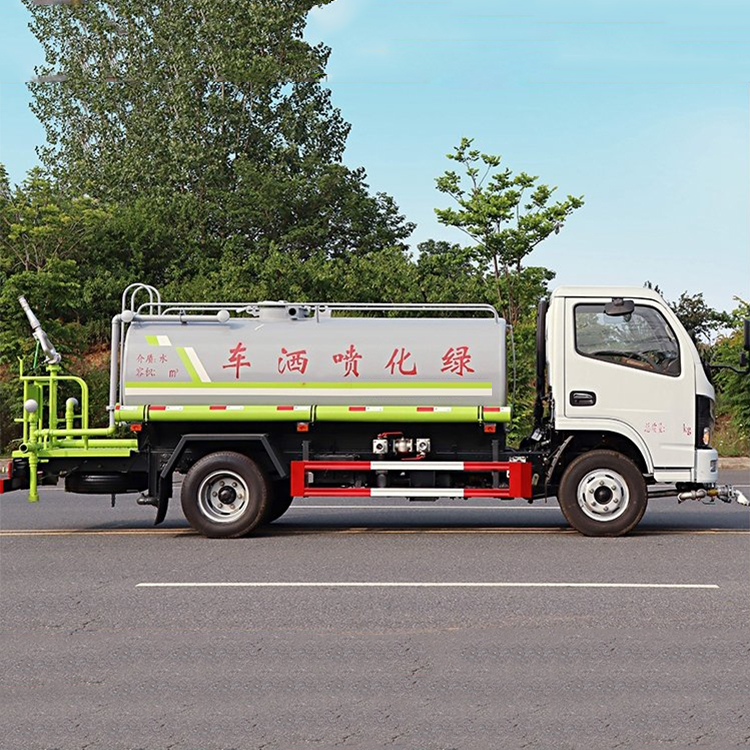
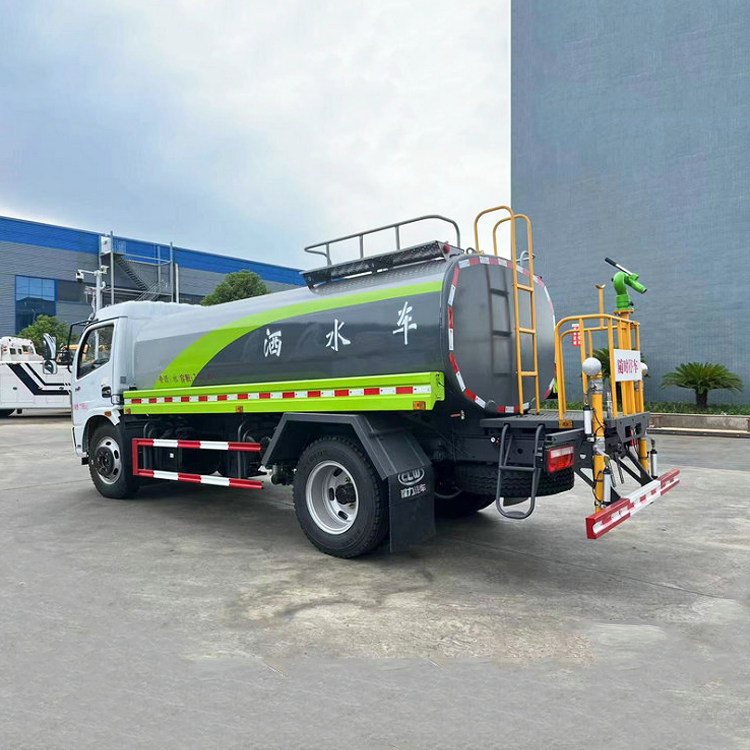
elorry-tanker-truck
elorry-tanker-truck
elorry-tanker-truck
elorry-tanker-truck
elorry-tanker-truck
elorry-tanker-truck
elorry-tanker-truck
elorry-tanker-truck
elorry-tanker-truck
elorry-tanker-truck